Today, the SCO is the world’s largest regional organization in terms of geography and population. With a vast market, abundant resources, and immense growth potential, the bloc has become an important driver of regional and global development. One of its central objectives now is to facilitate trade and investment among member states. To this end, mechanisms such as the SCO Business Council and the Interbank Consortium have been set up to boost cross border commerce and financial cooperation.
The results are tangible. In 2024, trade volume between China and other SCO member states, observer states, and dialogue partners hit a record $890 billion, accounting for 14.4 percent of China’s total exports and imports. This surge underscores both the vitality and the prospects of intra regional trade.
SCO cooperation has also paved the way for greater infrastructure connectivity across Eurasia. Landmark projects like the China Central Asia West Asia Economic Corridor and the China-Kyrgyzstan-Uzbekistan Railway have significantly reduced trade barriers and shortened transport times. Energy security remains another pillar of cooperation. The China Central Asia Gas Pipeline and the Eastern Russia China Natural Gas Pipeline not only safeguard the region’s energy needs but also contribute to stabilizing global energy markets. Recently, SCO member states signed an MoU to jointly construct “Silk Road Stations” aimed at addressing critical infrastructure gaps along expanding trade routes.
Beyond physical connectivity, the SCO has played a pivotal role in aligning development strategies. China’s Belt and Road Initiative complements national strategies such as Kazakhstan’s Bright Road Initiative, Kyrgyzstan’s National Development Program, and Tajikistan’s National Development Strategy. This synergy highlights the SCO’s strength in fostering shared development models.
Sustainable development has become a new priority for the SCO, with green growth and digital transformation at its core. According to a report released at the SCO Energy Ministers’ Meeting in June, the bloc’s total renewable energy installed capacity reached 2.31 billion kW by the end of 2024 nearly half of the global total. The SCO Green Development Forum provides a dedicated platform for advancing these goals under the organization’s Green Development Agenda.
The digital sphere is another frontier. The SCO Digital Economy Forum and the Digital Silk Road initiative have accelerated Eurasia’s digital integration. In 2024, cross-border e-commerce between China and other SCO states surged 34 percent year-on-year. Moreover, the Action Plan for Digital Transformation of SCO Member States, adopted in June, is set to deepen collaboration in e-commerce, artificial intelligence, and smart infrastructure.
Despite remarkable achievements, the SCO faces hurdles in deepening integration. Externally, it remains under scrutiny and sustained pressure from the West, which often seeks to divide rather than unite. Internally, differences in development stages, economic models, cultural traditions, and lingering geopolitical disputes sometimes slow down cooperation. To address these challenges, the SCO must continue strengthening institutional mechanisms in five priority areas: policy, infrastructure, trade, finance, and people-to-people ties. By doing so, member states can align their competitive advantages, foster mutual trust, and create a more resilient framework for cooperation.
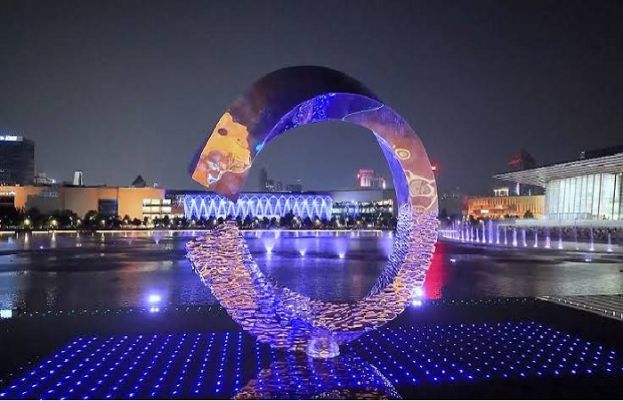
The upcoming SCO Summit in Tianjin, hosted by China as the organization’s rotating president, is expected to further unlock the group’s vast potential. At a time when protectionist tariffs, unilateral sanctions, and technological barriers threaten global growth, the SCO offers a counter-narrative championing openness, inclusivity, and shared prosperity.
As one of the pioneering regional organizations of the Global South, the SCO provides an alternative to exclusive Western clubs. Its model demonstrates that multilateralism, when inclusive and pragmatic, can deliver concrete benefits to all members. In doing so, the SCO continues to build not only a platform for cooperation but also a common home of stability, prosperity, and development for the Eurasian region and beyond.
Comments
Post a Comment